Consulting and strategy
Warehouse consulting services
A warehouse rarely fails all at once. It gets slower as the aisles fill, as the picking route lengthens and as the stock record drifts from what is on the shelf, and by the time it is obvious the building looks like the problem. Rejuva's consultants start from what the operation actually does, then say what should change and in what order.

What the consultancy covers
Four areas, which in practice are rarely bought one at a time, because a layout question turns into a stock question and a stock question turns into a systems question.
-
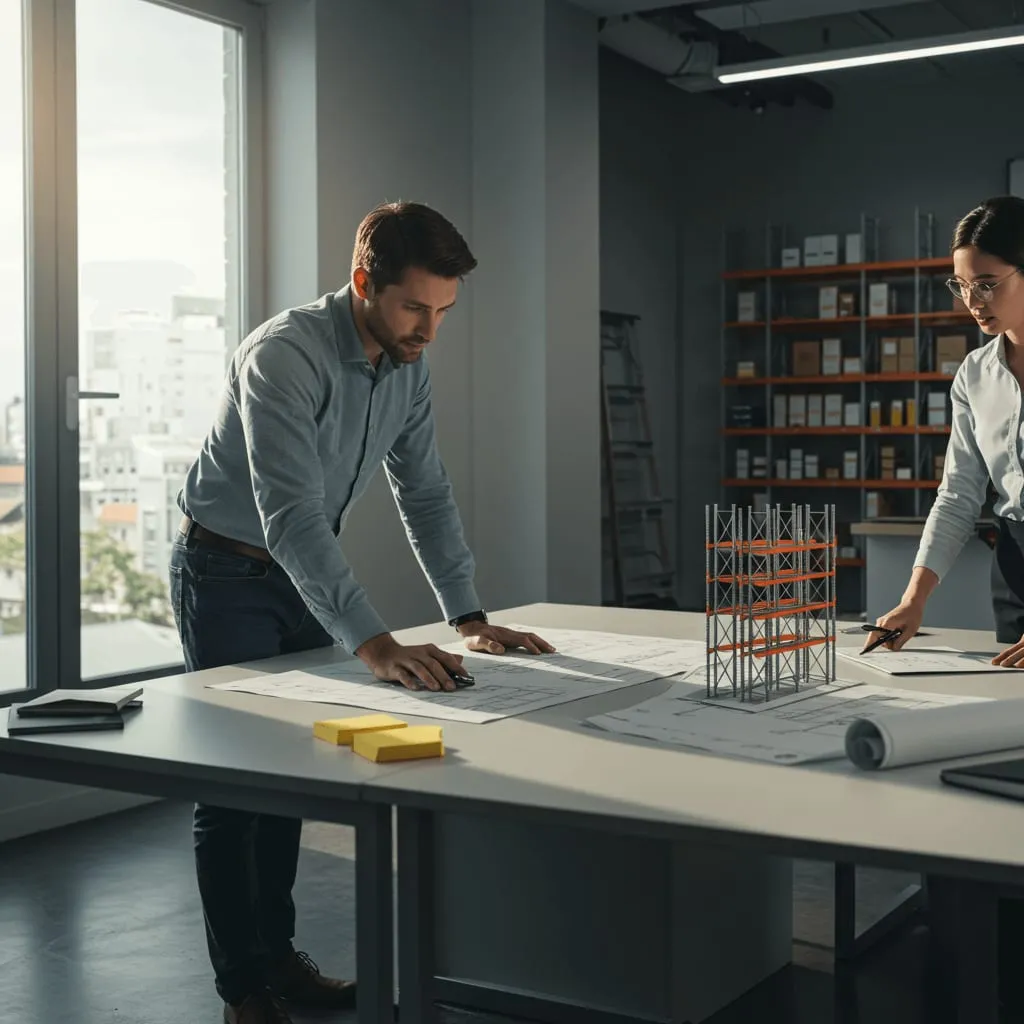
Design and layout planning
Making better use of the space you have and shortening the routes through it, with layouts drawn in CAD and checked against the regulations that apply to the building rather than against a generic template.
-

Automation consulting
Where robotics, RFID and connected systems earn their place and where they do not. The assessment covers what your operation does today and what the investment returns, so the decision is made on numbers rather than on a demonstration.
-
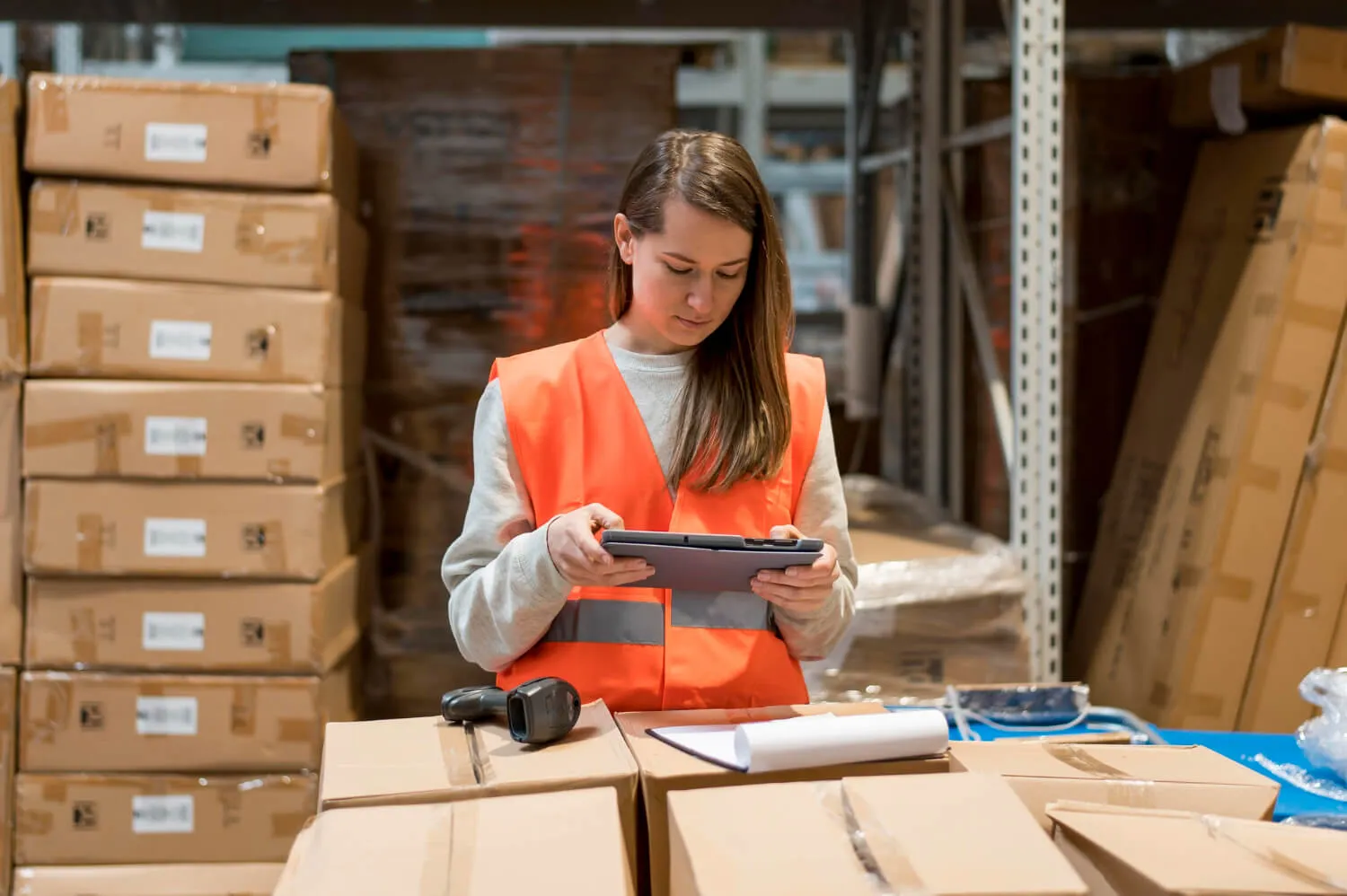
Inventory management
Tightening stock control so that the record matches the shelf, which is what reduces both the waste and the emergency picking that comes from not trusting the record in the first place.
-

Third-party logistics
Whether to run the operation yourself or hand part of it to a provider, how to choose between providers, and how to integrate with the one you pick without losing visibility of your own stock.


Why clients bring this work to Rejuva
The consultancy sits next to the rest of the catalogue rather than apart from it, which is what allows a recommendation to be built as well as written.
-
One point of contact
The same person carries the project from the first assessment to the last delivery, which is what keeps the coordination from becoming your job.
-
Advice that can be built
Planning, design, delivery and installation come from the same team, so a recommendation is written knowing who has to install it and what that costs.
-
Scaled to the operation
Solutions are sized to the building and the volumes it handles, not to a standard package that has to be trimmed to fit.
-
Compliance built in
Safety, environmental and industry standards are part of the design rather than a check at the end, because the alternative is redesigning after an inspection.
-
Specialists where they are needed
Rejuva works with established suppliers and specialists for the parts of a project that call for them, and stays independent of all of them.
-
An eye on running cost
Energy efficient systems and durable materials reduce what the building costs to run and support the environmental reporting that comes with it.

What changes when it is done properly
The purpose of the exercise is not a report. It is fewer movements per order, a stock record that can be trusted, and enough headroom in the layout to take next year's volume without another project.
Those three follow from each other: better flow makes accuracy cheaper to maintain, accuracy makes automation worth considering, and automation only pays where the flow was fixed first. Which is why the order of the recommendations matters as much as their content.
How a project runs
A clear process, so that the work stays predictable even while the building keeps operating.
-
Assessment and analysis
We evaluate the operation as it runs, looking for where the time actually goes, with a local representative so that the conversation happens in your language and on your floor.
-
Solution design
We then design against your goals, whether that is the layout, the stock control or the case for automating part of the work, and we design it to still make sense at a larger volume.
-
Implementation support
As part of a turn-key service we handle the delivery, the installation and the training that goes with it, so the change lands in the operation rather than in a document.
Frequently asked questions about warehouse consulting
How long does a project take?
It depends on the scope: a layout review is a different exercise from an automation programme with systems to integrate, and the phasing usually matters more than the total, since the building has to keep working throughout. We give a schedule for your project after the first assessment, when it can be an estimate rather than a guess.
Can you help with both new and existing warehouses?
Yes, and they are different problems. A new building is a design question with a blank floor; an existing one is a question of what can be changed while the operation continues, which is usually the harder and more interesting of the two.
Related services
Projects rarely stop at one discipline. These are the services most often planned alongside this one.

Have a project in mind?
Describe what needs to happen in the building and we will come back with a proposed approach, the specialist who would carry it out and a budget you can work with.