
Infrastructure and fit-out
Warehouse loading bays
The loading bay is where a building meets the vehicles that supply it, and it is the one place where a warehouse either keeps its pace or loses it. A bay is four pieces of equipment working together: the leveller that bridges the gap to the trailer, the shelter that seals around it, the door that closes the building, and the ramp for the vehicles that were never designed to dock at all.
What a loading bay has to solve
Every trailer that arrives is a different height, a different length and a different shape, and the building is fixed. A loading bay is the set of equipment that absorbs that difference: it brings the trailer floor and the warehouse floor into one continuous surface a forklift can cross under load, and it does that for a curtainsider, a rigid, a van and a container without anyone reconfiguring anything between them.
Rejuva designs and installs loading bays as a whole rather than as parts bought separately, because the four components constrain each other. The depth of the leveller pit sets what the door can be. The shelter has to seal against the trailer the leveller was sized for. A yard ramp only makes sense once you know which vehicles will never reach the dock. Get those decided in the wrong order and the bay works, but only for some of the vehicles that turn up.
What that means in practice is that the specification follows a survey of the site and of the traffic it actually receives, and not a catalogue. What arrives, how often, at what height and with how long to turn it around are the four things that decide everything else.
The four parts of a bay, and what each one answers
Each of these has a page of its own, because each is a separate purchase answering a separate question. Start with whichever one describes what is going wrong at your bays today.
-
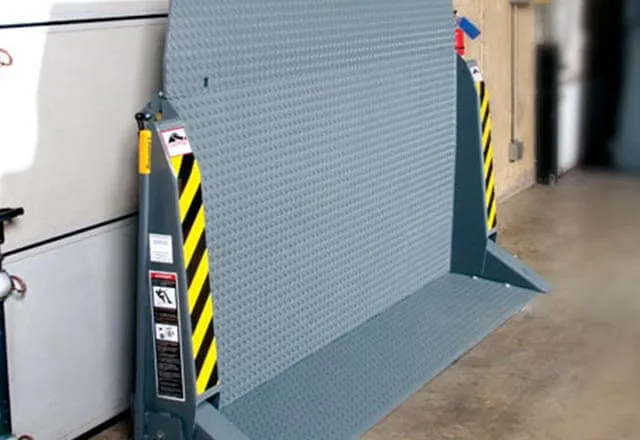
Dock levellers
The bridge between the dock and the trailer floor, and the part that sets the pace of the whole bay. Read this one if your loads are slow to turn around, if forklifts are crossing a gradient they should not be, or if the vehicle mix has changed since the bay was built.
-
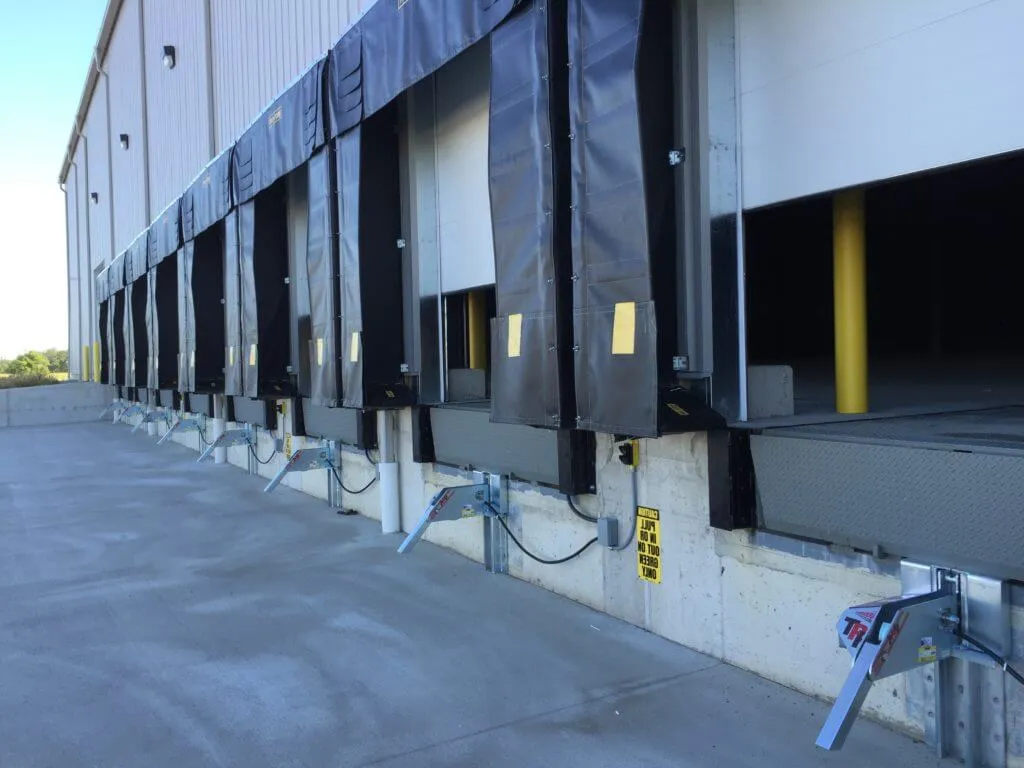
Dock shelters
The seal between the trailer and the building. Read this one if the bay lets weather in, if a chilled or temperature controlled area is losing its condition every time a door opens, or if energy at the bays is a line somebody has started asking about.
-
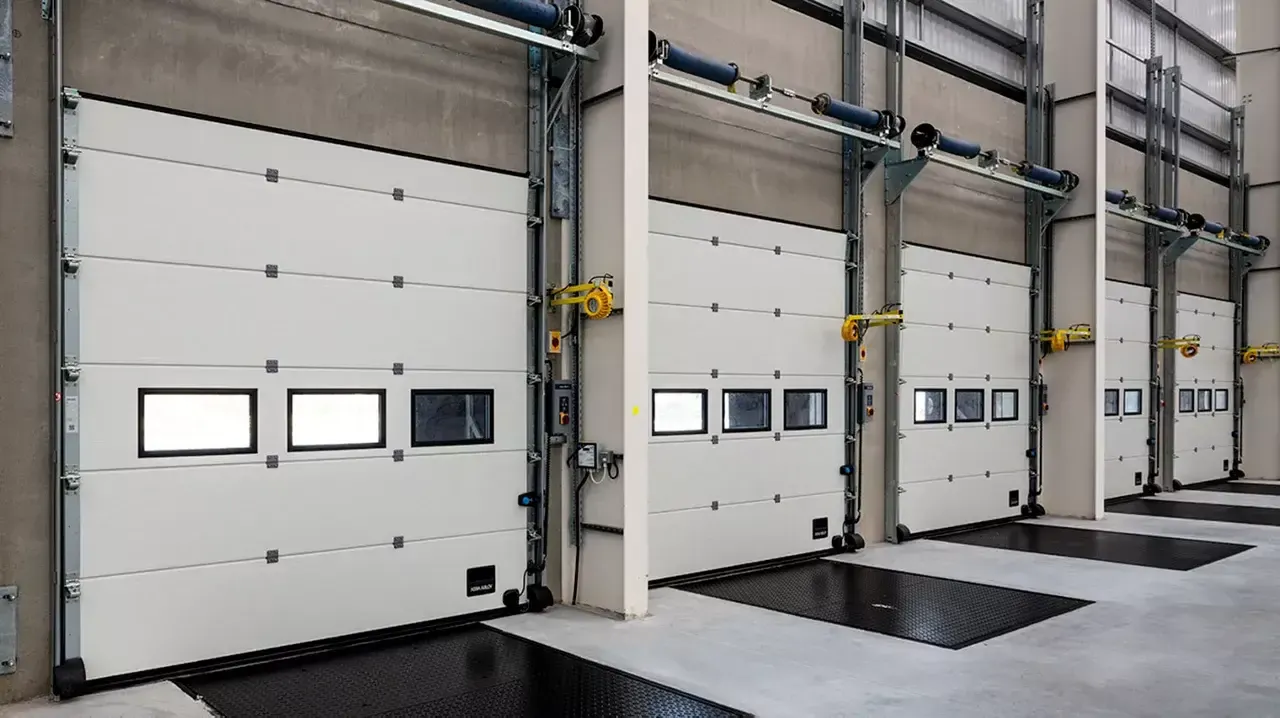
Loading bay doors
The door itself, which is the part that opens and closes more times a day than anything else in the building. Read this one if a door is failing, slow, or the reason the bay is cold, and if you are choosing between sectional, high speed and roller.
-
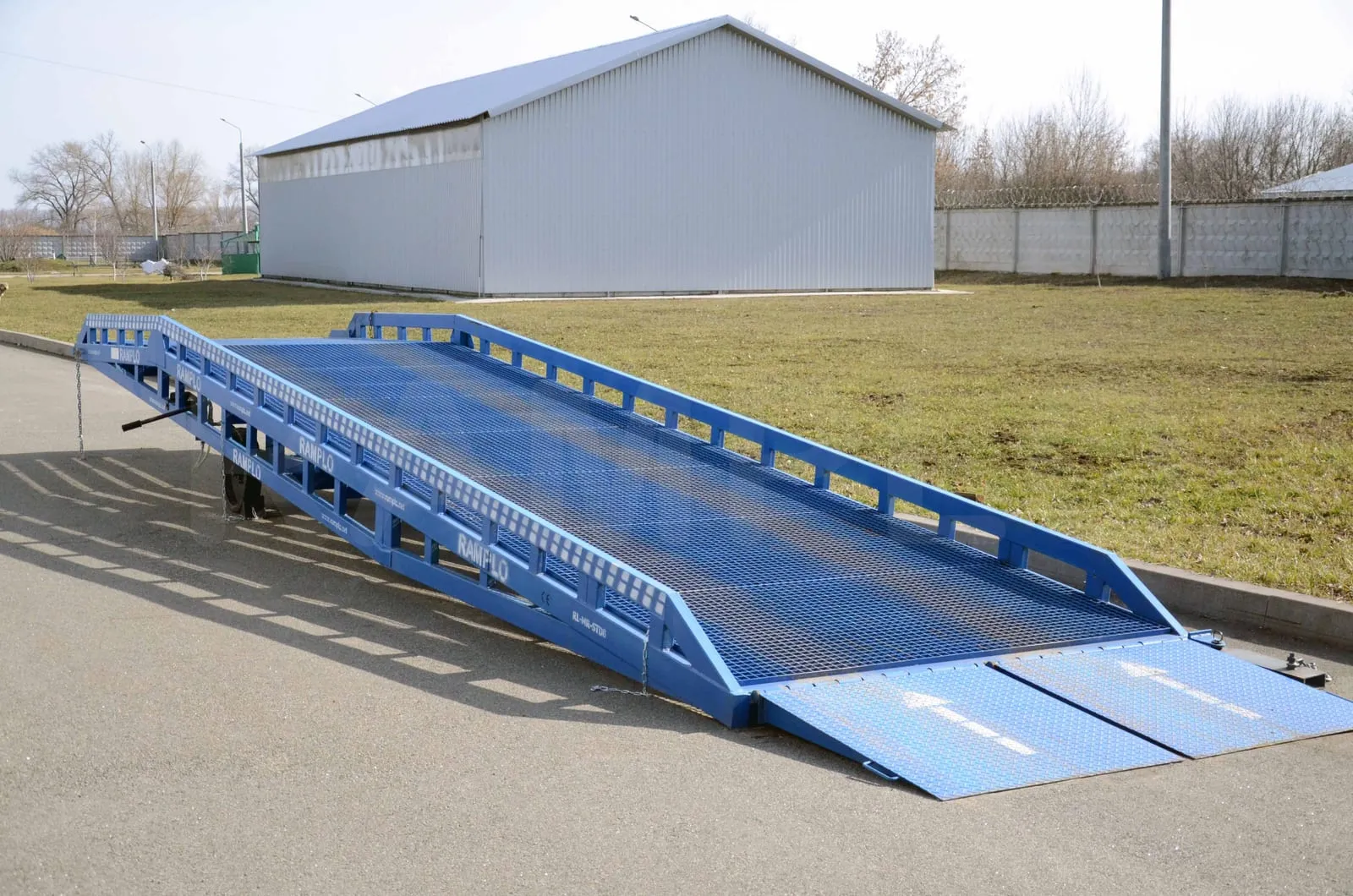
Yard ramps
The ramp that lets a vehicle be loaded where there is no dock at all. Read this one if you take containers, if you have more vehicles than docks, or if you need a bay in a building that was never given one.


Where the time in a loading bay actually goes
A bay that is one minute slower per vehicle costs an hour a day at sixty vehicles, and the minute is almost never in the driving. It is in the waiting: for the leveller to be positioned, for a trailer to be squared up against a shelter that does not fit it, for a door that takes fifteen seconds to open and does so two hundred times a shift.
This is why the equipment is worth specifying rather than replacing like for like. A leveller with the wrong reach means the driver repositions. A shelter sized for one trailer height means the seal is only a seal some of the time. A door chosen on purchase price alone is the one that turns out to be the slowest moving part of the building.
Rejuva's survey looks at the vehicles, the turnaround target and the building before recommending anything, because those three are what separate a bay that works from a bay that has the right equipment in it.
What usually brings someone to this page
Loading bays are rarely bought because somebody wanted new loading bays. Three situations account for most of it.
-
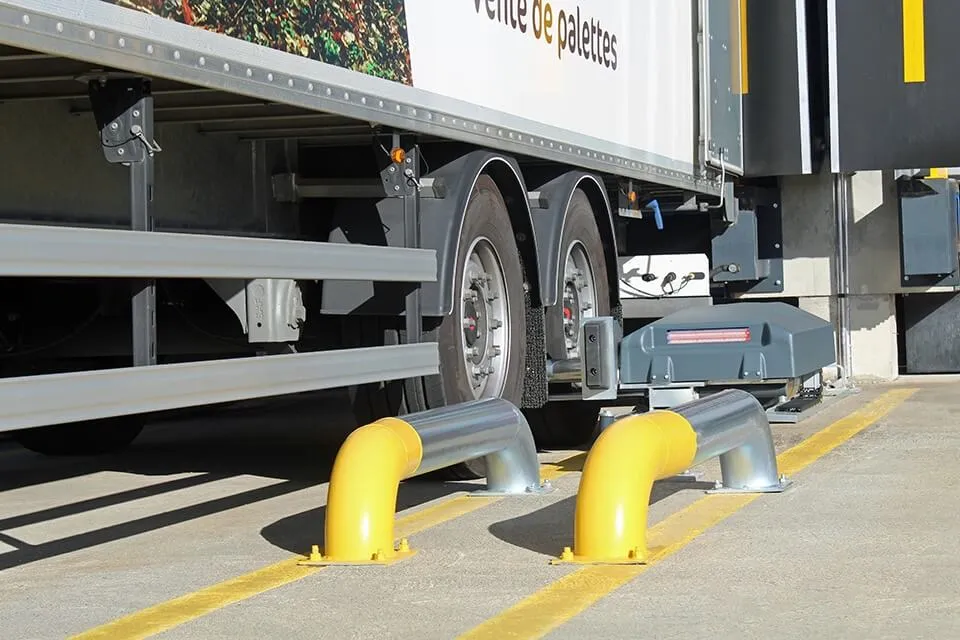
The vehicle mix changed
A bay built for articulated lorries now takes vans and rigids too, or the other way round. The equipment still works, but only for part of what arrives, and the rest is handled with a workaround that everyone has stopped noticing.
-
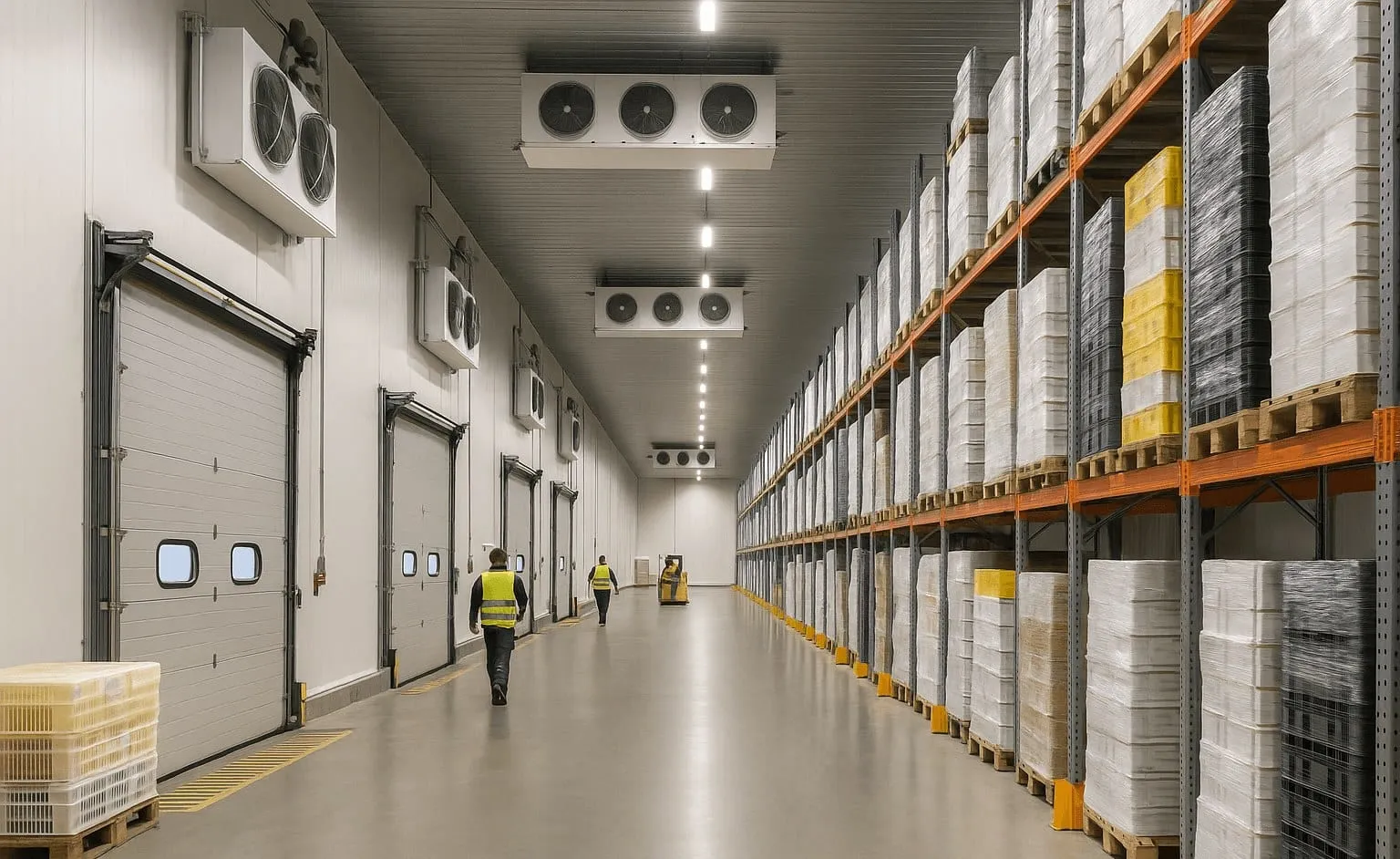
A new building, or a new tenancy
A unit is being fitted out, or taken on with bays that were specified for whoever was there before. This is the cheapest moment to get it right, because the pit, the door and the shelter are still decisions rather than constraints.
-
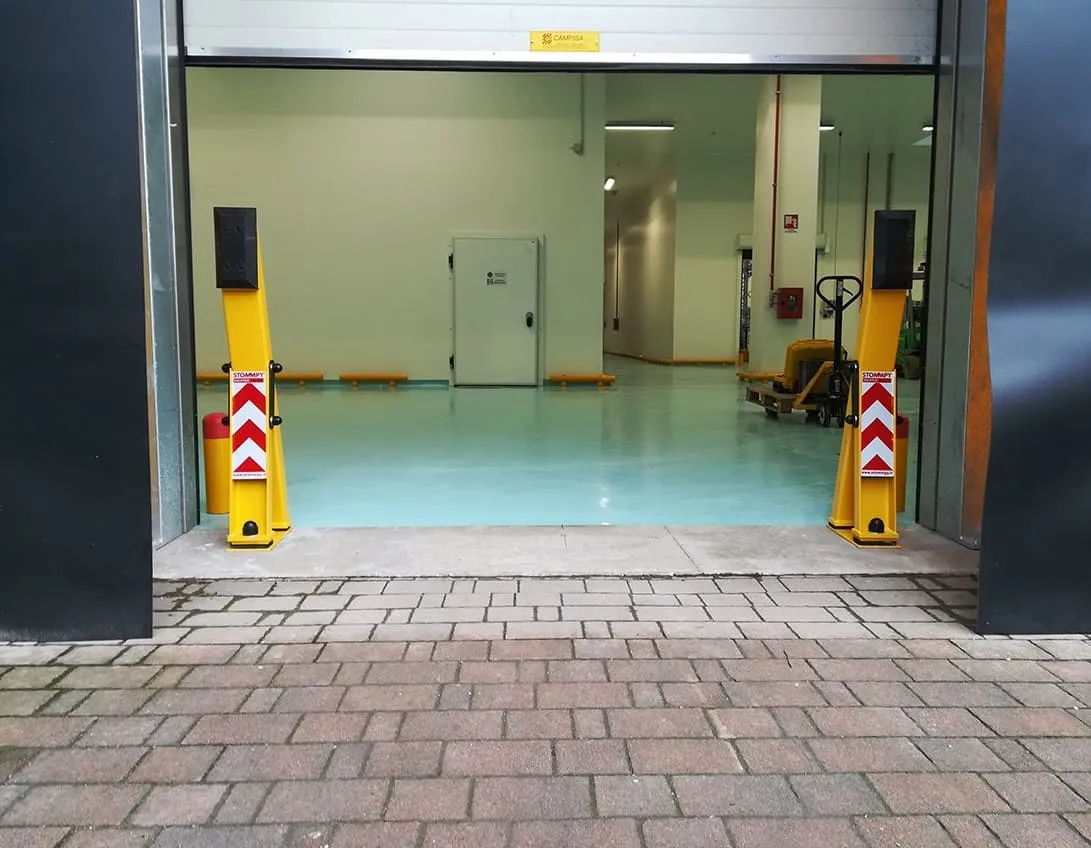
Something failed and the bay is down
A leveller or a door has stopped, and the immediate question is repair or replace. It is worth answering the second question at the same time, because a bay that failed under its current duty will fail again under it.


Safety at the bay, which is a separate question
The loading bay is one of the few places in a warehouse where people, a moving vehicle and a load are in the same few metres at the same time, and the risks there are not the ones the equipment above addresses. A trailer that moves while a forklift is inside it, a driver on the apron when a vehicle reverses, and an edge that a truck can run off are three different problems with three different answers.
Rejuva installs the protection for that separately, under industrial protections, which is where bumpers, impact posts and barriers for the dock face are published. It sits there rather than here because the same products protect columns, racking and pedestrian routes throughout the building, and a site usually specifies them together.
- Where a bay is being designed rather than repaired, the protection is decided at the same time, since the fixings for it and the leveller pit share the same slab.
Frequently asked questions
Do you supply the equipment, or install what we have bought?
Rejuva delivers the bay: the survey, the specification, the equipment and the installation. Because Rejuva is not tied to one manufacturer, the specification follows what the site needs rather than what one catalogue contains, which matters most on the components where the right answer depends on the vehicle mix.
Can a bay be upgraded while the building keeps running?
Usually yes, one bay at a time, which is how most sites do it. What decides the sequence is how many bays you can lose at once and what the slab underneath allows. Where the pit has to be cut or deepened the work is heavier, and that is the case worth surveying before committing to a programme.
We only have one bay and it is the wrong height for half our vehicles.
That is the most common version of the problem, and there are two separate answers to it. A leveller with more reach can widen the range the bay serves. A yard ramp handles the vehicles that were never going to dock, including containers, without touching the bay at all. Which is cheaper depends on the proportion, which is what the survey establishes.
What standard applies to a dock leveller?
EN 1398 is the European standard for dock levellers and covers the safety requirements for their design and construction, alongside the CE marking. A leveller in service also needs periodic inspection like any other item of lifting-adjacent plant, and that is a maintenance question rather than a purchase one.
Is a dock shelter worth it if we are not chilled?
Often, though the argument is different. On an ambient site the case is the heating you are not throwing at an open doorway, the weather that is not getting onto the goods, and the birds and dirt that a sealed bay keeps out. On a chilled site the case is the condition of the product, which is why the specification is stricter there.
How long does a loading bay installation take?
It depends on whether the pit exists and on how many bays are being done, which is why it is established at the survey rather than quoted from a catalogue. Fitting equipment into a bay that is already formed is a different job from forming the bay, and the difference is measured in weeks rather than days.
Related services
Projects rarely stop at one discipline. These are the services most often planned alongside this one.

Have a project in mind?
Describe what needs to happen in the building and we will come back with a proposed approach, the specialist who would carry it out and a budget you can work with.